Floor Refinishing for Halifax Commercial Properties
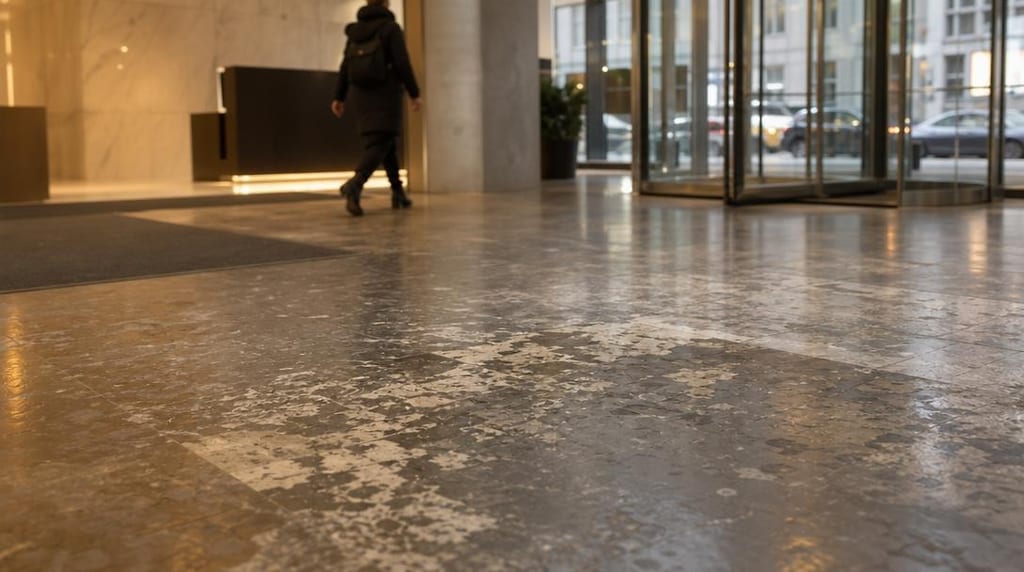
A Barrington Street lobby in April tells you everything you need to know about what a Halifax winter does to a floor. Six months of calcium chloride and boot grit tracked across the same surface every day strips the wax down to nothing, and most property managers don’t notice until the damage is already done.
Floor refinishing is how you reset. Not once, not as a fix-it measure, but as a recurring maintenance cycle that keeps VCT, luxury vinyl, terrazzo, and sealed concrete looking the way a professional space should.
C & C Commercial Cleaning Services Inc handles the full refinishing scope across HRM, and if you’re not sure which service your floors actually need right now, calling (902) 440-8694 is the fastest way to get a straight answer. Full strip and wax services for floors that need a clean start. Floor stripping alone when buildup is the specific problem. Commercial floor buffing for surfaces that just need the shine restored between major cycles. Each service has its place, and matching the right one to the floor saves time and money.
The service area covers Downtown Halifax, Dartmouth, Burnside Industrial Park, Bayers Lake, Bedford, and Clayton Park. Office towers, retail centres, healthcare facilities, warehouses, and everything in between.
The question most property managers run into first is a simple one: which of these three services does my floor actually need right now?
Strip, Wax, or Buff — Which One Does Your Floor Actually Need?
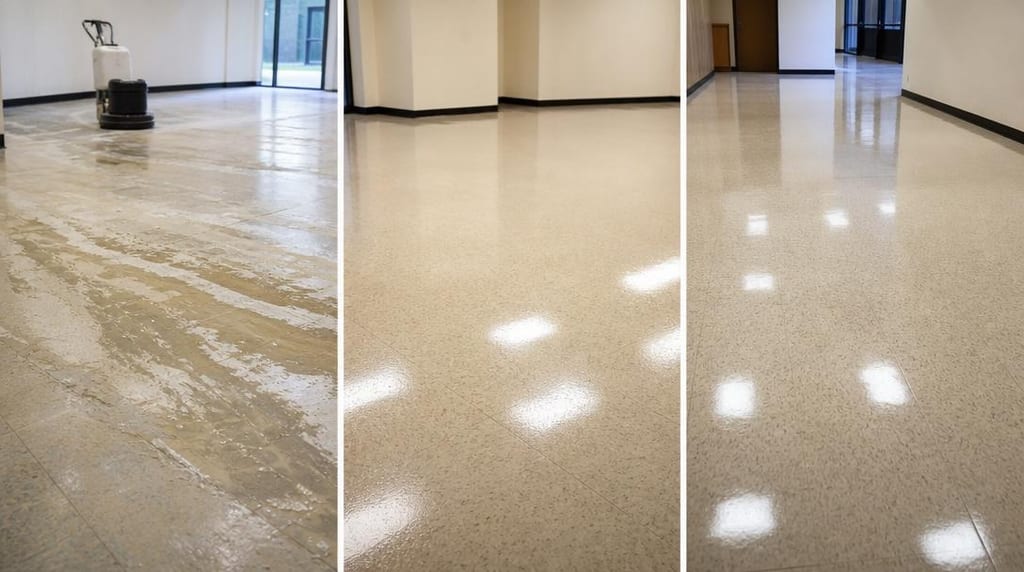
Three different services. Three different outcomes. The wrong call doesn’t just waste money. It can damage the floor underneath.
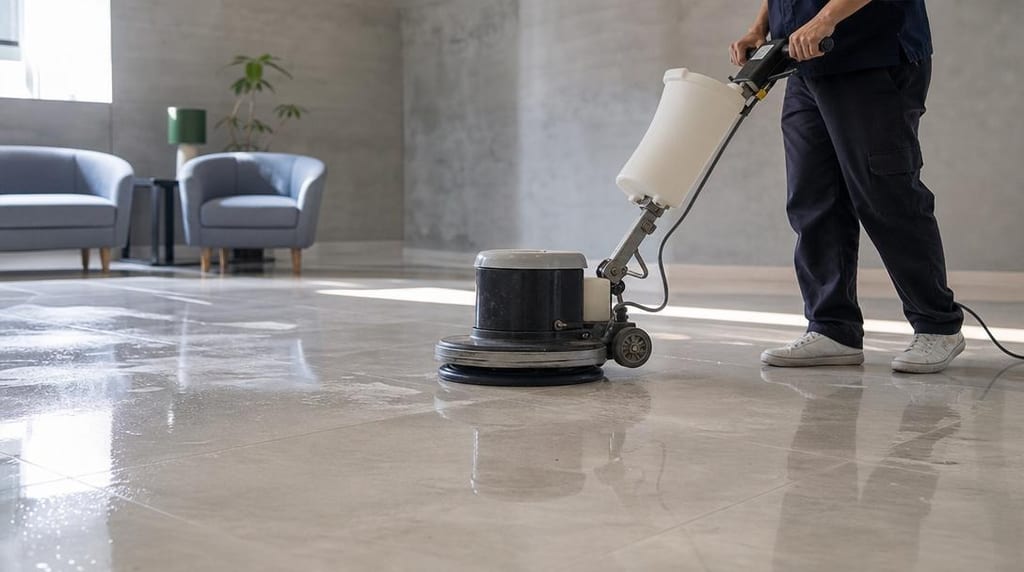
Buffing is the lightest touch. A high-speed buffer runs over the existing wax finish and generates enough heat to smooth out scratches and restore gloss. No chemicals, no removal, no real downtime. If the floor has a reasonably intact wax coat and just looks dull or scuffed, buffing is the right call. Think of it as a polish, not a repair.
Stripping is the full reset. A chemical stripper breaks down every layer of old wax (buildup, trapped dirt, discolouration) right back to bare floor. The stripper has to sit, get scrubbed, get removed, and then the floor has to dry completely before anything new goes on. Halifax’s harbour humidity actually matters here. High moisture slows the drying window, which is why rushing a strip job in a waterfront office building or a Dartmouth Crossing retail unit tends to show up in the finish months later.
Wax application always follows a strip. New coats of finish go down in layers, typically three to five, and each one needs time to cure before the next. This is what gives the floor its protective barrier and that clean, high-gloss look that lasts.
One note on substrate: terrazzo and sealed concrete should not be stripped. The chemical process that works on VCT will damage those surfaces. Buffing is the correct service for those floor types, and the distinction matters in older Halifax commercial properties where terrazzo is more common than it might appear.
Once you know which service the floor actually needs, the next question is frequency. In Halifax, that answer looks different than it does in most other Canadian cities.
How Often Should Commercial Floors Be Stripped and Waxed in Halifax?
The short answer: more often than you think.
Halifax’s six-month salting season changes the math. From November through April, calcium chloride and road salt get tracked into every lobby, showroom, and office corridor in HRM. That residue works like fine sandpaper on wax finishes. By the time spring arrives, floors that looked great in October are dull, scratched, and holding grime in the finish layers. You can buff them, but buffing won’t fix that. They need a full strip cycle.
Here’s how frequency typically breaks down by space type:
High-traffic retail and main entrances (Dartmouth Crossing tenants, the Mic Mac Mall corridor, grocery and pharmacy chains): strip and wax every 4-6 months. Entrance zones and checkout areas take the worst of it and can’t wait for an annual cycle.
General office space (downtown Halifax buildings along Barrington Street, Spring Garden Road, and Purdy’s Wharf): once per year is the baseline for moderate-traffic corridors and open work areas. VCT in older buildings may need that cycle moved up if the finish is thin from years of over-buffing.
Low-traffic back-of-house areas (storage rooms, server rooms, seldom-used corridors): every 18-24 months is reasonable.
Compare that to an inland city like Calgary or Ottawa, where floors don’t carry that same six-month salt load. The same office space there might comfortably run 18-month strip cycles. In Halifax, that interval costs you the finish.
For a deeper look at how often commercial floors should be stripped and waxed based on space type and traffic patterns, that guide covers the full breakdown.
If you’re looking at a floor right now and not sure where it falls on that schedule, a site visit from C & C Commercial Cleaning Services Inc usually answers it in under 20 minutes. We can tell you on the spot whether you need a buff, a strip cycle, or something in between.
Our Floor Refinishing Process — Step by Step
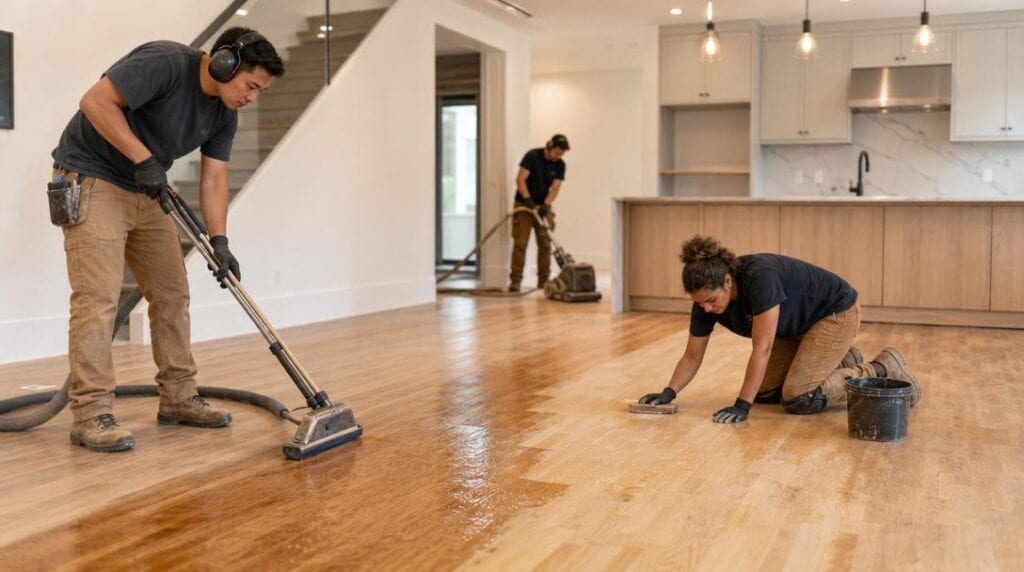
Here’s what actually happens when the crew shows up.
Before anything is moved or mixed, we do a full walk-through with the property manager. Floor type, current finish condition, any problem areas. We document it all. VCT gets treated differently than sealed concrete or terrazzo, and skipping this step is how substrate damage happens.
Once the assessment is done, furniture and equipment move out of the work zone and the area gets taped and signed. Then we strip or buff based on what the floor actually needs. Heavy buildup, scuffing, or salt residue tracked in through a Halifax winter means a full chemical strip. Lightly worn floors in good condition get a buff and recoat instead. The floor tells you what it needs.
After stripping, the floor gets rinsed and neutralized. Residual stripper left in the tile will wreck your new finish from the inside out. This step doesn’t get rushed.
Then comes the finish. We apply three to five coats of commercial-grade floor finish, letting each coat cure fully before the next goes down. Cure time matters more here than in most Canadian markets. Harbour humidity along the waterfront and in Bedford Basin slows the process, and pushing coats too close together leaves you with a soft, hazy finish that won’t hold up. We schedule around it.
The final buff brings out the gloss and hardens the top layer. Most jobs are ready for foot traffic within a few hours of that last pass.
Process is one thing. But most of our Halifax clients are running full operations during the week, so the real question is when we can actually get in to do the work.
Scheduling Around Your Operation — After-Hours, Weekends & 24/7 Facilities
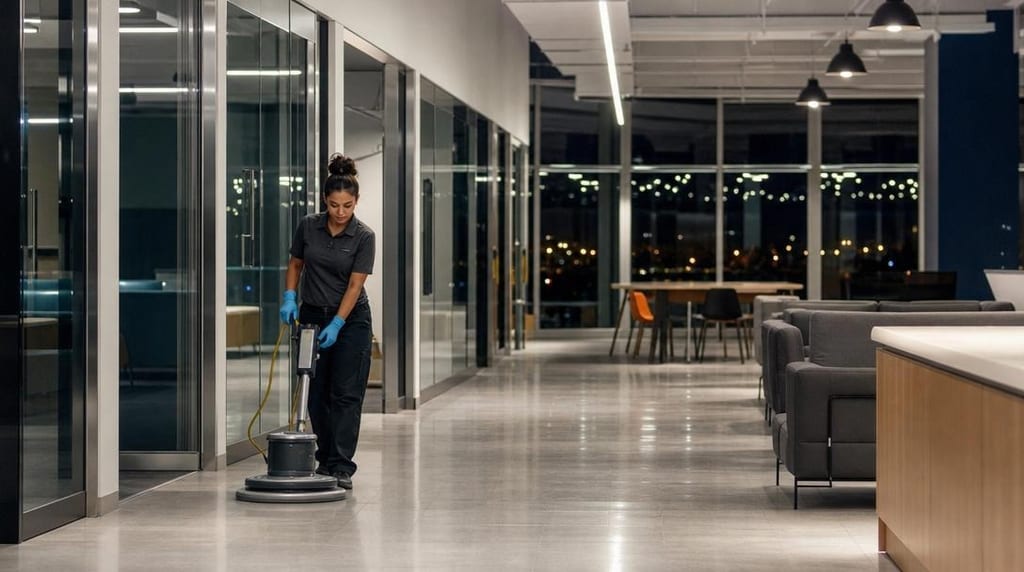
For most Halifax office buildings, that means evenings and weekends. We confirm the window with your facility manager, coordinate building access and alarm codes, and handle floor closure signage so your staff walks in the next morning to dry, finished floors. Not wet wax and a liability problem.
Retail locations in high-traffic corridors like Dartmouth Crossing are a different situation. Entrance zones and checkout areas take the hardest beating and need the most frequent refinishing cycles, but they also can’t come out of service during store hours. Overnight work is the only practical option. We plan the sequence (entrance first, then interior aisles) so reopening isn’t delayed.
Healthcare is the most demanding schedule of all. Facilities connected to the Halifax Infirmary, IWK, and Dartmouth General-area clinics run around the clock, full stop. There is no window where a wing goes quiet. Our crews are trained for these environments through the same protocols used in our medical office cleaning work: procedures proceed in contained sections, signage and barriers go up before any product touches the floor, and handoff happens before the morning shift arrives. Nothing about the facility’s operation changes. Except the floors look considerably better.
Once the schedule is figured out, the next question property managers almost always ask is what the work is going to cost.
What Does Floor Refinishing Cost in Halifax?
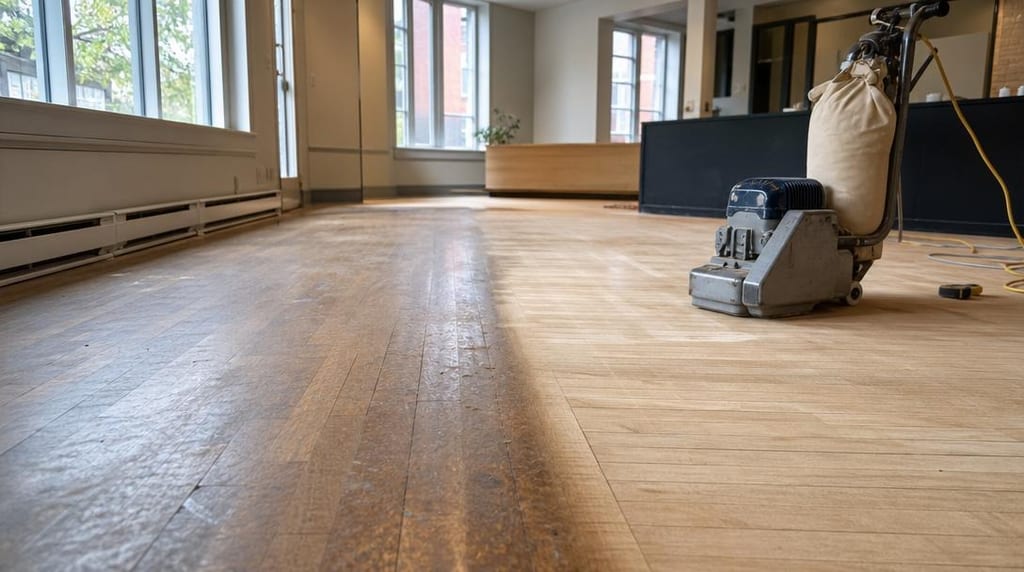
Square footage is where any conversation about pricing starts, but it’s rarely where it ends. A 2,000-square-foot showroom in Bayers Lake and a 2,000-square-foot office floor on Barrington Street can come in at very different numbers depending on what the floor actually needs and what it takes to get the crew in and out cleanly.
The condition of the existing finish matters as much as the size. A floor that has been on a regular maintenance cycle needs fewer coats and less prep time than one that has been neglected through two Halifax winters. The number of finish coats, the floor type, and whether any furniture or equipment needs to move before work can start all affect the final number. Buildings with secured floors or elevator access constraints add time, and time adds cost.
After-hours scheduling is the other variable that catches clients off guard. Most commercial floors in Halifax need to be done overnight or on weekends to avoid disrupting operations. That’s standard, and it gets factored into any honest estimate up front. It’s also one of the reasons per-square-foot pricing varies more than people expect.
One thing that consistently brings the cost down over time: a planned refinishing cycle. A recurring contract is priced lower per square foot than a single emergency strip, and it prevents the kind of buildup that turns a routine job into a full remediation. To get a number specific to your property, call (902) 440-8694. A walk-through takes less time than most property managers expect, and the estimate comes back the same day.
Floor Types We Refinish
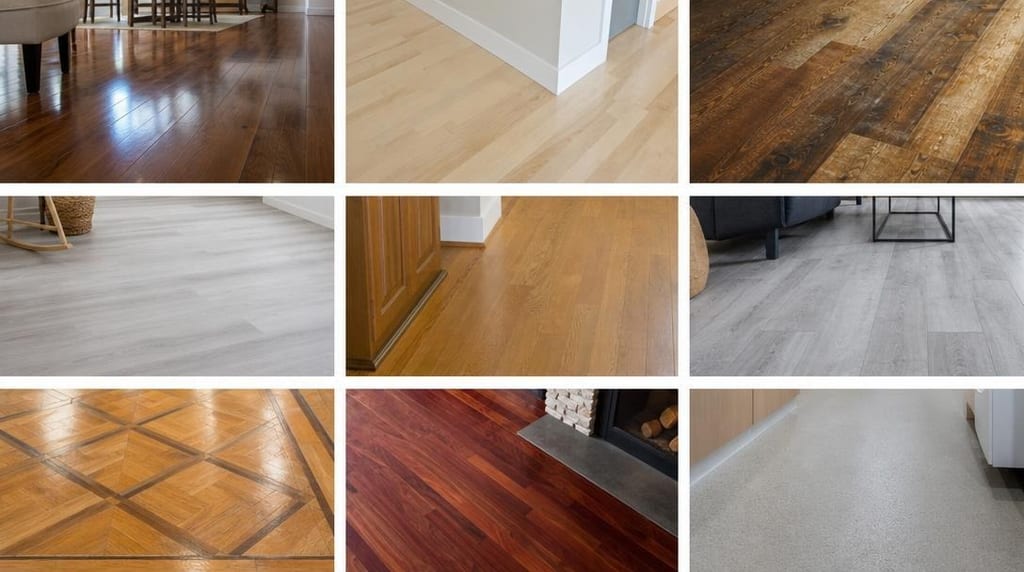
Not every floor in Halifax needs the same treatment. Getting this wrong is how you damage a substrate and turn a refinishing job into a replacement conversation.
Vinyl composition tile (VCT) is the most common floor type in downtown Halifax office buildings. Most of what you’ll find along Barrington Street and Spring Garden Road was installed in the 80s and 90s, and it’s still there. VCT is built for VCT strip and wax cycles. It needs them. Without regular stripping, old wax layers yellow and bond to the surface in a way that buffing alone won’t fix.
Vinyl plank and sheet vinyl can be stripped and waxed, but seams and edges need careful handling. Aggressive stripping chemicals or excess moisture along seams will lift the material off the subfloor. Experience with the product matters here.
Terrazzo is a different situation entirely. It should never be stripped. Terrazzo is buffed and polished. Stripping chemicals damage the surface and dull the aggregate. A lot of Halifax’s older civic buildings and professional offices have terrazzo that has been incorrectly stripped at some point. The damage shows.
Sealed concrete depends on what’s on it. If the sealer is intact, buffing or a light recoat brings it back. If the sealer has broken down, you’re looking at a full surface prep before any new product goes down.
Knowing the floor type is half the job. The other half is having a crew that understands what Atlantic Canadian conditions actually do to a finish once it’s down.
Why Halifax Property Managers Work With C & C Commercial Cleaning Services Inc
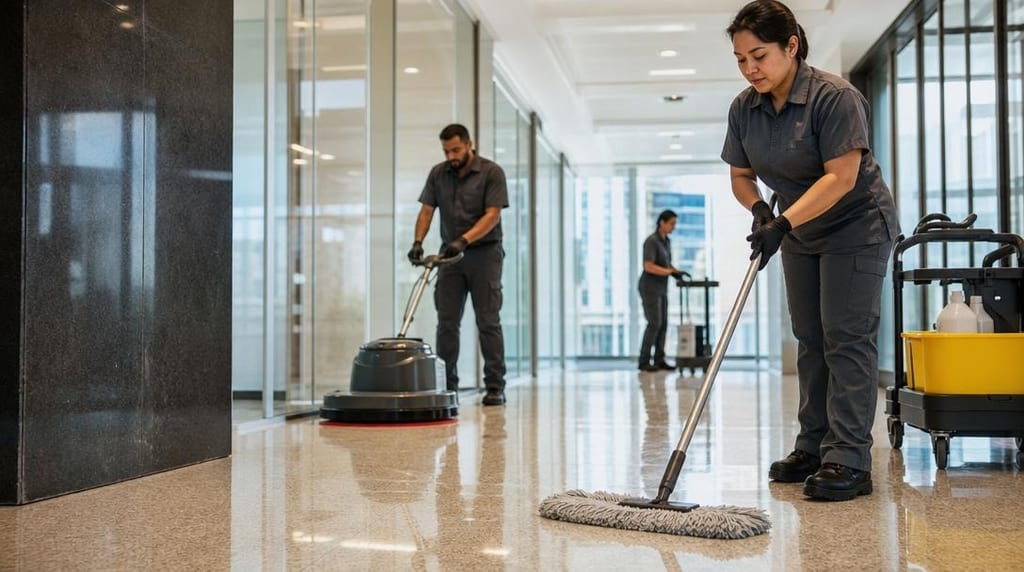
Property managers across HRM have enough to track. When they hand off floor care to C & C Commercial Cleaning Services Inc, they get a crew that already knows the territory: Burnside, Bayers Lake, Clayton Park, Bedford, Dartmouth, and downtown Halifax included. No explaining why the lobby at a Spring Garden Road office building looks rougher in April than it did in October. That’s just what six months of calcium chloride does, and the schedule accounts for it.
After-hours and overnight work is standard here, not an add-on. Healthcare clients near the Infirmary and IWK corridor, retail properties at Dartmouth Crossing, busy office buildings on Barrington. All of them get crews that arrive when the last employee leaves and are finished before the first one shows up.
Floor refinishing also folds cleanly into a full commercial cleaning program. Most HRM properties that call C & C Commercial Cleaning Services Inc waited through at least one season they shouldn’t have. Call us at (902) 440-8694 and we’ll come take a look at what your floors actually need. If a phone call isn’t convenient right now, the contact form at cccleaning.ca works just as well. Someone will follow up within one business day.